BY: W. Shadid, 9-3-2009
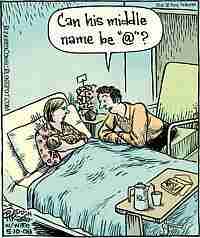 Het zal weinigen ontgaan zijn dat de discussie over de Marokkaanse namenlijst weer is opgeleid. Hoewel buitenstaanders deze kwestie als triviaal kunnen beschouwen, laten belanghebbenden en politici zich emotioneel en onomwonden er over uit.
Voornamen zijn niet zo triviaal als ze lijken, al liet Shakespear in 1594 in het stuk Romeo en Juliet Romeo de befaamde woorden uitspreken; ‘What’s in a name? A rose by any other name would smell as sweet’.
Een voornaam is onderdeel van de identiteit
Het ging Shakspear toen uiteraard niet om namen van pasgeborenen, maar om de familienamen van Romeo en Juliet die hun innige en onsterfelijke liefde in de weg stonden.
Shakspears’ wijsheid van toen lijkt in het hedendaagse Marokko niet aan te slaan, omdat de Marokkaanse overheid weet dat met de voornaam van een kind ouders kwesties trachten te accentueren zoals familie, etnische origine, ideologie, of bewondering voor een (historische) religieuze of politieke leider. Een voornaam is met andere woorden onmiskenbaar meer dan een identificatielabel. Het is een onderdeel van de persoonlijke identiteit van ouders en later van het kind zelf.
Het hanteren van wetten en regels voor naamgeving is alom aanwezig. Dat gebeurt meestal om te voorkomen dat ouders hun kinderen eventueel opzadelen met stigmatiserende voornamen die hen later sociaal in verlegenheid kunnen brengen, of hun ontplooiingsmogelijkheden kunnen belemmeren. Onder andere om deze redenen beschikken landen veelal ook over wetgeving om op een later tijdstip de eerder toegewezen namen eventueel te wijzigen. Dergelijke wetten worden in de regel alleen gehanteerd om belangen van kinderen te beschermen en niet die van staten of andere politieke constellaties.
Ontwijkende politieke reacties
De reactie van Nederlandse en Belgische politici op de recent opgelaaide discussie over de Marokkaanse namenlijst is krampachtig en heeft helaas veel weg van een fascinerend schouwspel: nietszeggend, ontwijkend en niet effectief. De reacties van de Nederlandse minister van Buitenlandse Zaken Verhagen en die van het GroenLinks-Kamerlid Tofik Dibi zijn in dit verband illustratief. Eerstgenoemde zei dat er geen enkele verplichting bestaat om de namenlijst te gebruiken, of om naar de Marokkaanse ambassade te gaan voor registratie. De tweede politicus vond dat de namenlijst direct naar Rabat moet worden teruggestuurd met de mededeling dat we er niet van gediend zijn. De reactie van Aboutaleb is eveneens verstandig noch effectief richting de ouders in kwestie en hun belangen. Hij gaf aan dat mocht hij zo’n lijs op het Rotterdamse gemeentehuis aantreffen, hij die lijst persoonlijk zal verbranden.
Ook in België zijn politici niet wars van inhoudsloze en niet effectieve maatregelen. In de gemeenteraad van Antwerpen is besloten om de namenlijst niet langer automatisch te overhandigen aan Marokkaans-Belgische ouders.
Het zal een ieder duidelijk zijn dat de kern van de zaak niet gelegen is in de vraag of er gemeenten zijn die zulke namenlijst wel of niet gebruiken. Dat is in principe niet zo essentieel. Want als ambtenaren van de burgerlijke stand dat wel doen, dan is dat om de ouders van Marokkaanse achtergrond te behoeden voor toekomstige administratieve problemen in het land van herkomst en in geen geval om de Marokkaanse overheid ter wille te zijn. Het advies van politici om de namenlijst te negeren komt niet tegemoet aan de verlangens van de ouders en zadelt hen op den duur met problemen. De optie van niet registreren hadden ze immers wel zelf kunnen bedenken.
Usinf or not using the list: that is not the question
Het is evident dat het probleem schuilt in de Marokkaanse wetgeving die ambassade personeel in het buitenland verbiedt niet Arabisch klinkende namen en die niet voldoen aan bepaalde spellingsnormen te registreren. Dit brengt met zich mee dat een niet geregistreerd kind niet in aanmerking kan komen voor het Marokkaans staatsburgerschap. Het gevolg is dat zijn of haar mogelijke aanspraak op een toekomstige erfenis in het land van de ouders buitengewoon wordt bemoeilijkt, zo niet onmogelijk gemaakt. Dit heeft te maken met het gegeven dat in sommige landen waaronder Marokko, het beschikken over een paspoort niet automatisch het recht op een staatburgerschap garandeert.
Interne aangelegenheid?
Deze procedure van Marokkaanse naamgeving mag niet worden afgedaan met de opmerking van de Marokkaanse minister van Buitenlandse Zaken dat het hier gaat om een zuiver Marokkaanse aangelegenheid. Met dit simpele verweer mag hij zeker niet wegkomen. Het klinkt als de dictatuur van de autonomie. Ook binnenlandse aangelegenheden worden door de internationale gemeenschap aangevochten wanneer deze haaks staan op bepalingen aangaande de rechten van de mens of verdragen inzake de rechten van het kind, zoals ieders recht op een culturele eigenheid, identiteit, taal en religie. Een voornaam is zoals eerder vermeld een essentieel onderdeel van de gewenste culturele identiteit.
Gecoordineerde actie op ministerieel niveau
Het zich verzetten tegen deze vorm van bemoeienis met de vrijheid van burgers vereist meer dan het verbieden van het gebruik van de betreffende namenlijst waarvoor Nederlandse en Belgische politici hebben gepleit. Het gaat hier om een fundamentele kwestie van vrijheid van burgers die een gecoördineerd Europees optreden op ministerieel niveau vereist om druk uit te oefenen op de Marokkaanse overheid ten einde de regels te versoepelen. Deze kwestie raakt de belangen van alle nieuwe Europeanen van Marokkaanse achtergrond, en niet alleen die van Berberse origine onder hen. Europeanen van Marokkaans Arabische achtergrond kunnen op grond van dezelfde wetgeving ook niet bijvoorbeeld een Westers klinkende naam voor hun kind kiezen.
Het is spijtig dat in het gaande debat de namenlijstaffaire hoofdzakelijk is geplaatst binnen de etnische deling in Marokko zelf, Berbers en Arabieren. Deze probleemvernauwing leidt alleen maar tot verdeeldheid en tot verzwakking van het verzet tegen deze overmatige staatsbemoeienis en beknotting van de vrijheden van staatsburgers. Alle reacties tot nog toe zijn te zwak en impliceren daardoor een overwinning voor de Marokkaanse overheid. Ook hier is het devies daarom ‘eendracht maakt macht’.